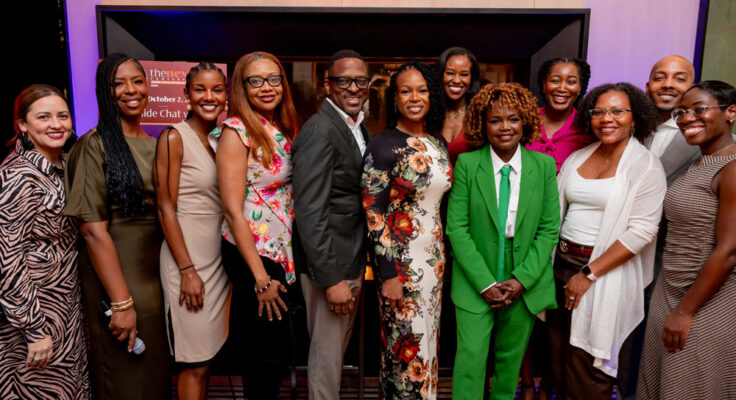
Amid the COVID-19 pandemic and a national racial reckoning, a small group of Black gastroenterologists and hepatologists sparked a transformation. What began as an organic text thread ultimately inspired the founding of a new organization, the Association of Black Gastroenterologists and Hepatologists (ABGH). Five years later, they are a powerful professional collective with over 500 medical students, trainees and practicing physicians.
For the Kenneth Rainin Foundation, partnering with ABGH has demonstrated the power of trust-based philanthropy and the impact of centering grantee leadership. We’re proud to have invested in ABGH’s vision across multiple critical milestones. In 2023, our initial grant supported their first in-person board meeting and the launch of a mentorship program for Black trainees. The following year, a three-year $710,000 capacity building grant enabled hiring a full-time executive director and funding fellowships for six early career researchers. A more recent grant provided travel stipends for trainees to attend professional conferences.
To mark ABGH’s fifth anniversary, we spoke with Co-Founder Dr. Sophie Balzora and ABGH Rising mentor Dr. Ayanna Lewis. They highlight the organization’s impact on the next generation of Black gastroenterologists, hepatologists and researchers and what’s needed for lasting change.
ABGH’s Founding Story
In 2020, against the backdrop of a global pandemic that shed light on the inequities in America, nearly a dozen Black gastroenterologists and hepatologists came together in community. Among the group was Dr. Sophie Balzora, Clinical Professor of Medicine at New York University Grossman School. She is one of the roughly 1% of Black women serving as full-time, full professors in US medical schools and is deeply familiar with the experience of professional isolation. Most of the other doctors in the group were early or mid-career. As Balzora explains, this is a pivotal time in many physicians’ careers, “when you start getting leadership roles in well-established national societies but remain limited in what you are able to say and prioritize.”

Seeking a space where they could speak freely and their truths weren’t silenced, the budding community created an informal WhatsApp group. Together, they processed the layered grief of COVID-19 disproportionately taking Black lives, the police murders of George Floyd and Breonna Taylor, and the loss of actor Chadwick Boseman to colorectal cancer. As the group leaned on each other, they also considered the Black practitioners who weren’t present. “Imagine those folks who are completely siloed,” Dr. Balzora reflected.
In September 2020, they channeled their grief into an urgent public service announcement on social media reminding Black communities that colorectal cancer screenings couldn’t wait, despite the pandemic. The video gained widespread traction, including from journalist Katie Couric and Ibram X. Kendi, a renowned anti-racist scholar and survivor of colorectal cancer. By January 2021, the Association of Black Gastroenterologists and Hepatologists was born.
Transforming Patient Care Through Representation

ABGH programming uses mentorship, education and culturally responsive support to nurture Black physicians and scientists. The Rainin Foundation invests in their work to support the diversification of the medical and scientific workforce to enhance care and health outcomes for all patients, with a focus on Black patients.
The need for the work that ABGH is doing is clear. Black scientists and clinicians remain underrepresented in healthcare and research, limiting whose perspectives shape care, research and decision-making. Only 4% (just 600) of the practicing gastroenterologists in the US are Black. Black patients are routinely diagnosed with Inflammatory Bowel Disease (IBD) and colorectal cancer at later stages, despite presenting with symptoms of severe disease. Improving care requires a more diverse workforce. That’s where ABGH’s work comes in.
Finding Connection Through Mentorship: ABGH Rising
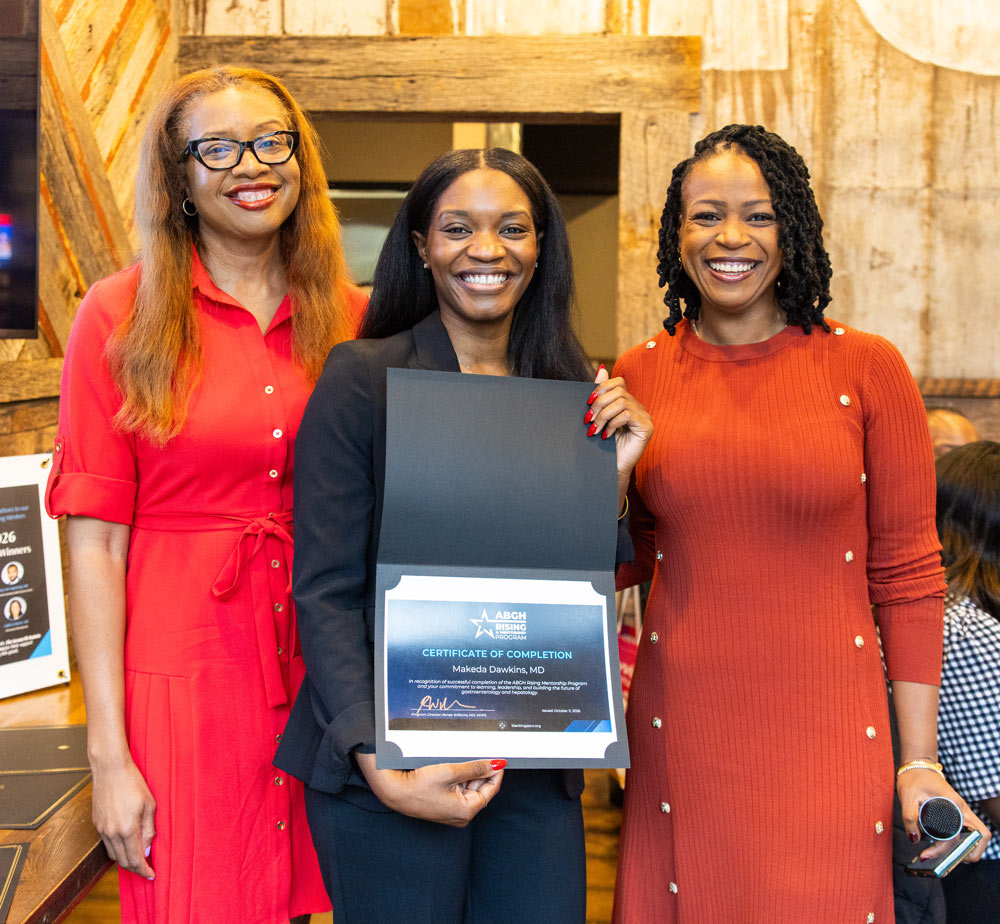
ABGH Rising, a national mentorship program, creates a liberating space that pushes back against the pressures that Black practitioners face. Mentors help trainees overcome systemic challenges and develop skills that standard curricula often overlook, like salary negotiation and self-advocacy. The highly competitive academic path through medicine and research demands an exhausting standard of perfection from Black practitioners but rarely provides them the supports they need along the way.
Dr. Ayanna Lewis vividly remembers the weight of imbalanced critique. “Throughout my training, I had people who doubted me, who made me feel like I was under a microscope,” Dr. Lewis shares. “If I did something great, it was like, ‘Wow, she did something great. Who knew?’ And if I did something that wasn’t so great, somehow it felt like everybody knew it.” This disproportionate scrutiny can push Black clinicians into perpetual survival mode.
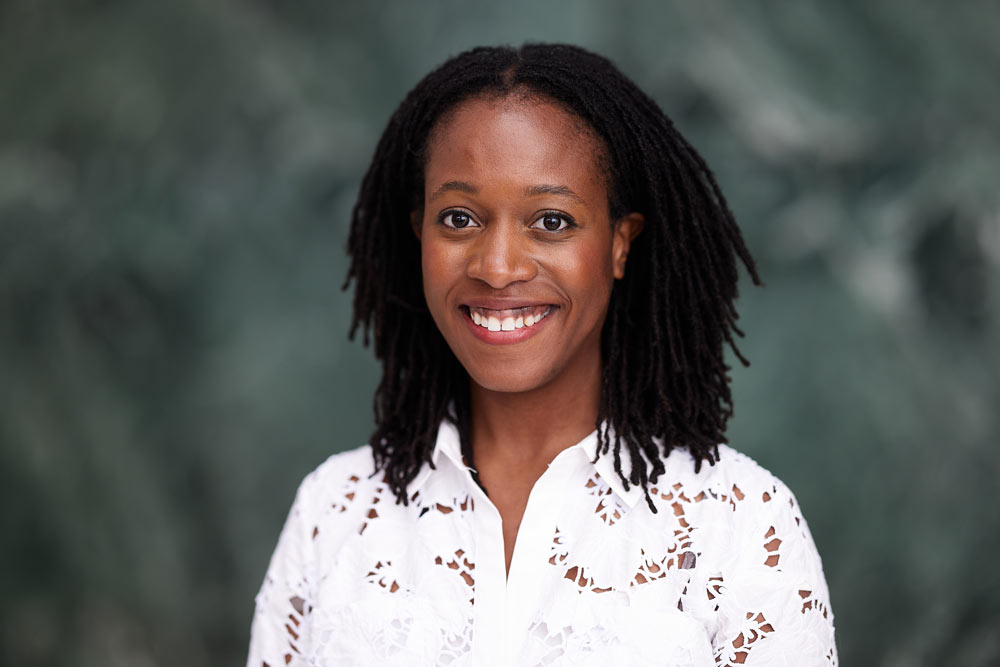
For Dr. Lewis, being a mentee in ABGH Rising shifted her experience and helped her to orient differently in a context that’s often unwelcoming and unfair to Black people. Through ABGH mentorship, she accessed grounding and support. “I felt the psychological safety of knowing that if I made a mistake, I wouldn’t be discarded. That if my performance faltered, that my presence in medicine would not be questioned.” She points to tangible benefits of that kind of safety. “It helped me grow in confidence in my ability to take risks and recover after setbacks. That feeling of already being enough, whether I succeeded or not, is something that I will not soon forget.”
ABGH Rising trainees get space to be imperfect and vulnerable on their learning journey. Dr. Lewis, now a mentor in the program, shares, “They get to ask the questions that they really want to ask, and get real answers.” Through mock interviews and storytelling support, mentors help trainees find the confidence to tell their authentic stories. Dr. Lewis recalls a resident she mentored telling her after matching at Duke University, “You helped me reframe my story and talk about myself in a way that I wasn’t able to before.” This reframing honored his humanity and tenacity, and helped him stand securely in his story and excellence.
This restorative space is a shield against the political backlash targeting diversity initiatives. Dr. Lewis highlights “the bravery of the people in ABGH to stand against those headwinds and keep fighting for Black communities to get the care they deserve.”
Shifting From Guidance To Sponsorship
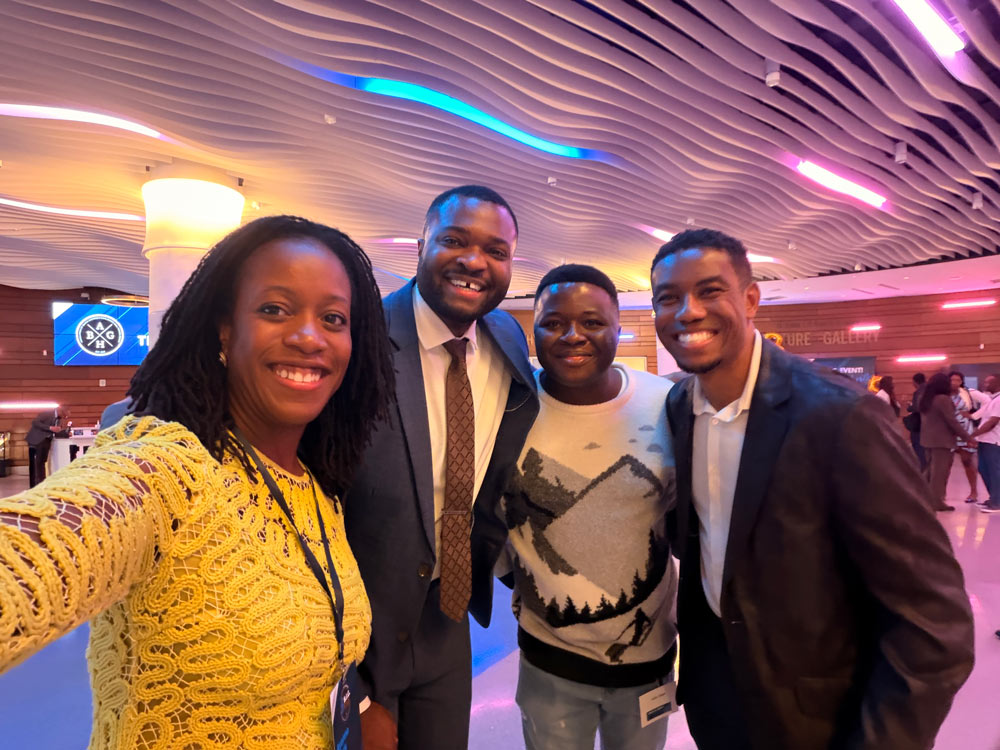
Dr. Balzora distinguishes mentorship and sponsorship, explaining that while ABGH Rising mentors provide necessary guidance, “sponsors advocate for you in rooms where you are not present.” As a trainee, Dr. Balzora says she sometimes felt lonely or isolated at large conferences. ABGH’s presence has altered the environment and younger trainees now expect this support and advocacy, which she sees as a testament to ABGH’s work.
Dr. Laura Wilson, Director, Health Strategy and Ventures, emphasizes that, “We want to protect those in the field from burnout and ensure that brilliant younger minds entering the field receive the guidance and visibility to remain in the pipeline.”
ABGH Rising compensates trainees for their time, protecting them from the burden of unpaid labor. Dr. Balzora points out that Rainin Foundation funds have supported both this transformative work and core operational sustainability, setting it apart from typical funding.
Centering Joy And Community
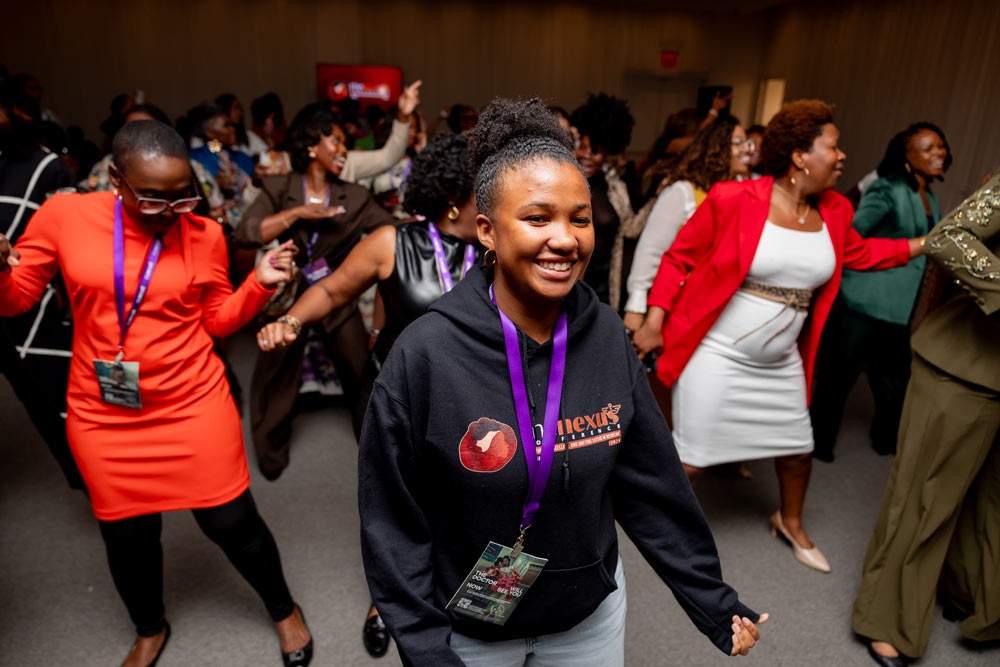
ABGH’s strategies center belonging and community-centered joy. Their annual NEXUS Conference brings Black women physicians, public health experts and advanced practice providers together to collaborate, share intimate experiences and celebrate one another. Public-facing events like Bustin’ a Gut demystify and destigmatize gastrointestinal topics through conversation and humor.
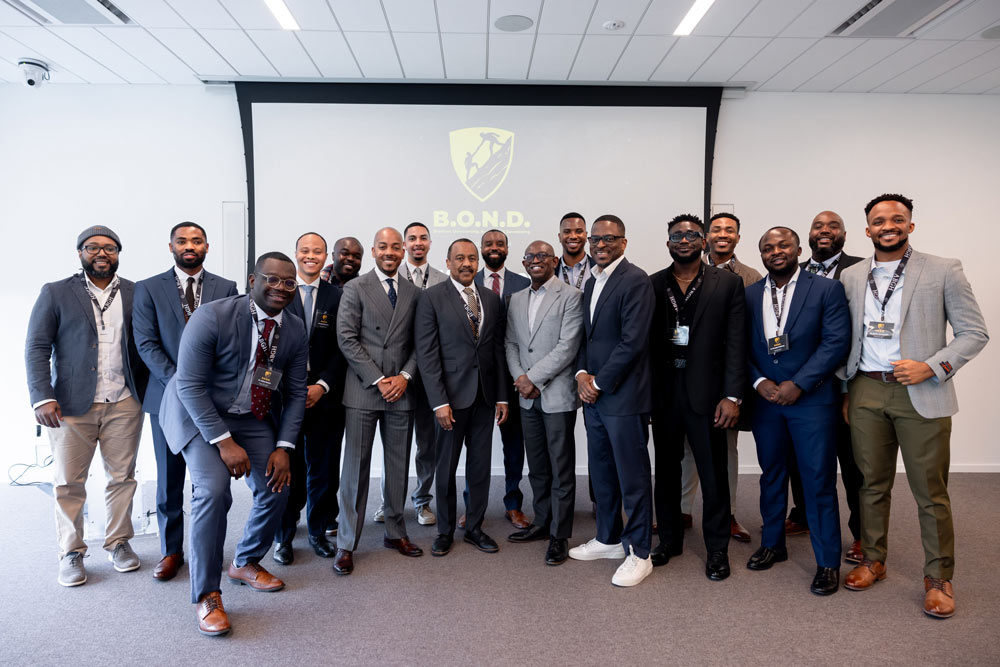
Dr. Balzora recalls a patient in her 60s who came in for a colonoscopy after researching ABGH online. The patient, a former school principal, encouraged one of her former students—now a medical student in Chicago—to attend an ABGH educational event. He went and ultimately connected with their program for Black male doctors, B.O.N.D. (Brothers Overcoming, Nurturing and Developing), establishing connections and building community.
“When somebody tells us that they did X, Y and Z because of an ABGH program or something that they saw from us,” Dr. Balzora reflects, “it’s amazing.” Today, gastroenterology fellowship applicants list ABGH right alongside organizations that have been around for decades.
Dr. Laura Wilson sees ABGH’s work as an investment in the future. “Their programs are filling gaps and helping ensure that scientists and clinicians at every stage have opportunities to learn and build relationships that sustain them. Without those supports, we risk losing promising talent.”
A Challenge To The Wider System
When asked what it will take to solve the systemic challenges ABGH is tackling, Dr. Balzora is clear: “More funding, and a radical expansion of who is in the room.” She stresses the need for more buy-in from other folks, noting that health inequity is “not just our problem to solve.”

Dr. Lewis stresses the importance of cultural fluency, or a commitment to understanding patients beyond their symptoms. In healthcare, cultural fluency is harm reduction. When patients trust that they are seen, understood and cared for, they are more likely to get a life-saving screening.
Dr. Lewis intentionally learns about the cultural and religious needs of the diverse populations she serves, but her concern is that this relies on individual commitment rather than systemic support. “Some have not made that same effort to develop the cultural fluency that’s necessary to care for Black patients in a way that makes them feel seen, heard and understood,” she shares.
While ABGH’s programs are culturally tailored to Black people, the information is essential for all practitioners treating Black patients. As ABGH celebrates their landmark five-year milestone, Dr. Balzora remains fiercely grounded about where they stand. “We’re a work in progress, and I hope this is just the beginning,” she says. “I’m excited to see what’s next in our future.”
For our peer funders and institutional leaders, ABGH’s first five years offer a clear lesson—lasting change requires trust. It means trusting the leaders who know the work, providing flexible, long-term support and standing firm against shifting political winds. When we invest in the people closest to the challenges, they don’t just address symptoms; they transform conditions.