Balancing Our Microbiome
Dr. Kamada focuses on the bad actors of the microbiome—bacterial troublemakers that contribute to IBD pathogenesis.

Researchers
Below are researchers funded by the Kenneth Rainin Foundation who are working in the microbiome.
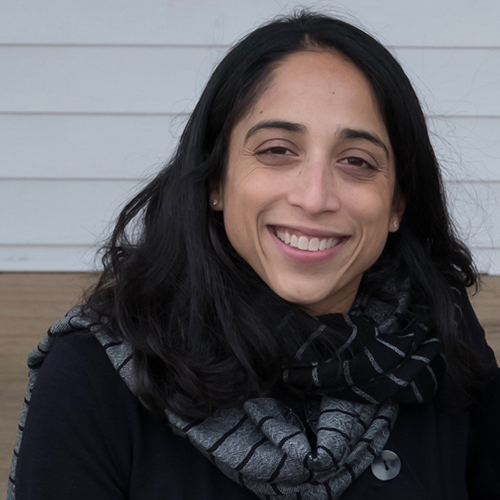
Theresa Alenghat, VMD, PhD
Professor, Cincinnati Children’s Hospital Medical Center, Former Grantee
Dr. Alenghat’s lab investigates cell homeostasis in intestinal health and disease, searching for insight into pathways that mediate the host-microbiota relationship and how regulation affects innate immunity and chronic conditions like IBD.
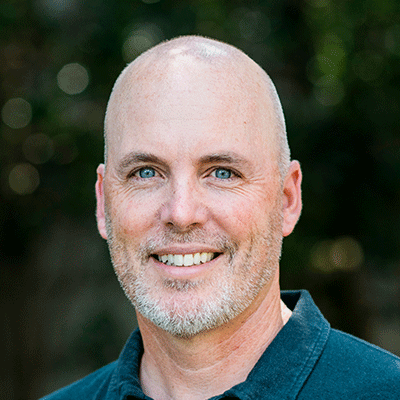
Greg Barton, PhD
Professor; University of California, Berkeley; Former Grantee
Dr. Barton’s group studies innate immunity with the goal of understanding strategies of pathogen recognition and self/non-self discrimination to reveal critical balance points with fundamental implications for our understanding of immunity.

Andreas Bäumler, PhD
Distinguished Professor; University of California, Davis; Current Grantee
The Bäumler lab has pioneered the study of microbial physiology in its natural context of a host-associated microbial community. An overarching theme of their research is that the host plays a key role in shaping its…
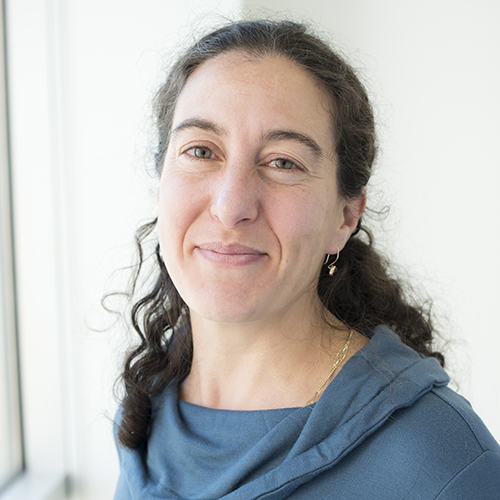
Ilana Brito, PhD
Professor, Weill Medical College of Cornell University, Current Grantee
Prof. Brito’s lab pioneers systems-level methods to examine interactions between human cells and the human microbiome and to study horizontal gene transfer, the predominant mechanism by which pathogens acquire antibiotic resistance. She focuses on direct human-commensal protein-protein…
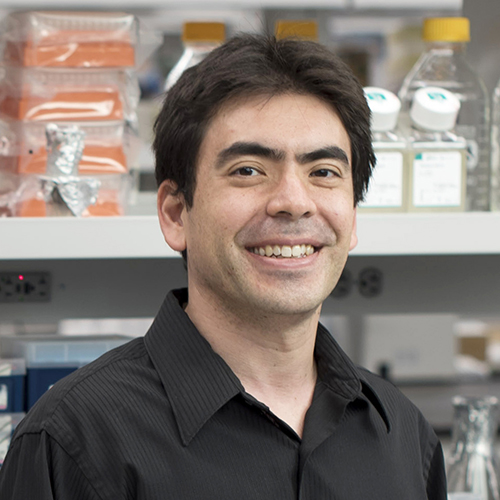
Ken Cadwell, PhD
Professor, Perelman School of Medicine, Former Grantee
The Cadwell Lab investigates how our immune system is regulated by diverse infectious agents. They aim to apply this knowledge towards treating inflammatory diseases through restoring a balanced relationship between microbes and the immune system.

Charles O. Elson, MD
Professor, University of Alabama at Birmingham, Former Grantee
Dr. Elson’s lab focuses on the regulation of mucosal immune responses, particularly the mucosal immune response to the microbiota, to define the cellular and molecular mechanisms that maintain mucosal immune homeostasis.